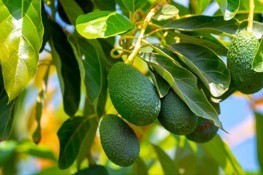
Phenomena or Problem:
Avocados are often purchased when they are firm, then left on a kitchen counter to ripen over several days. During that time, the fruit undergoes noticeable changes. It becomes softer, develops a richer flavor, and reaches a texture many people associate with being ready to eat. An avocado left on a counter may soften in a few days, while another in the refrigerator remains firm for much longer. Some storage methods appear to speed up ripening, while others seem to slow it down. These differences can occur even when the avocados come from the same tree and begin at similar stages of development. What is happening inside an avocado after it has been picked? Although the fruit is no longer attached to the plant, it continues to change in predictable ways. Understanding why these changes occur requires investigating the biological and chemical processes that control fruit ripening.
Stimuli: How will students experience and/or observe the phenomenon/problem?
Students observe four avocados at a similar stage of development from different locations.
- Avocado A: Left attached to the tree
- Avocado B: Picked and left on a kitchen counter
- Avocado C: Picked and placed in a paper bag with a banana
- Avocado D: Picked and stored in a refrigerator
After one week, the avocados looked very different from one another.
Essential Question(s):
- Why do avocados stored under different conditions ripen at different rates?
- What causes an avocado to continue changing after it has been picked?
- Why does placing an avocado near a banana speed up ripening?
- How do chemical reactions within cells change the texture, flavor, and aroma of fruit?
- How do changes at the cellular level lead to the observable characteristics of ripe fruit?