Curriculum Materials

Standards Alignment

Disciplinary Core Ideas

LS2.A: Interdependent Relationships in Ecosystems (HS)

  • Ecosystems have carrying capacities, which are limits to the numbers of organisms and populations they can support. These limits result from such factors as the availability of living and nonliving resources and from such challenges such as predation, competition, and disease.
  • A complex set of interactions within an ecosystem can keep its numbers and types of organisms relatively constant over long periods of time under stable conditions. If a modest biological or physical disturbance to an ecosystem occurs, it may return to its more or less original status (i.e., the ecosystem is resilient), as opposed to becoming a very different ecosystem. Extreme fluctuations in conditions or the size of any population, however, can challenge the functioning of ecosystems in terms of resources
View more ↓
Science & Engineering Practices

Developing and Using Models (HS)

  • Develop, revise, and/or use a model based on evidence to illustrate and/or predict the relationships between systems or between components of a system.
View more ↓
Crosscutting Concepts

Cause and Effect (HS)

  • Cause and effect relationships can be suggested and predicted for complex natural and human designed systems by examining what is known about smaller scale mechanisms within the system. 
View more ↓

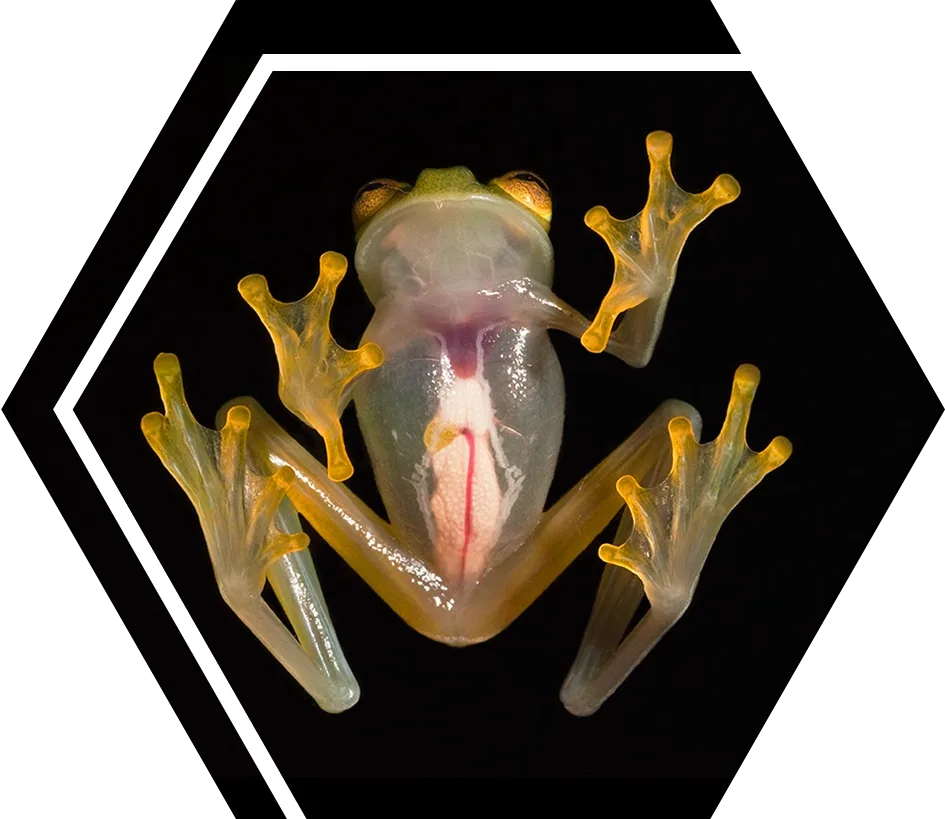
In this task, students will evaluate a series of mathematical models to determine how a mysterious fungus is impacting various populations in a pond ecosystem. First, students will look at the impact of the fungus on populations of frogs and crayfish. Students will then use their understanding about cause-and-effect relationships to make predictions about how changes in the frog population will affect other populations in the ecosystem. Students will develop their own mathematical model to demonstrate their understanding of these relationships and make predictions about how these relationships would vary in a different environment.