Phenomena or Problem:
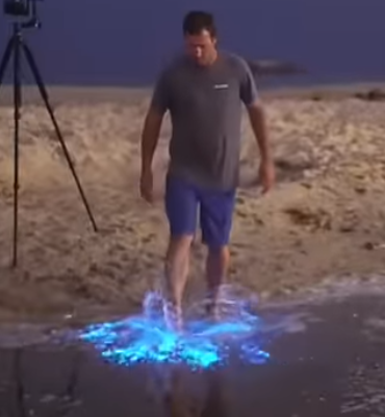
Certain microscopic algae, known as dinoflagellates, emit a glowing effect when disturbed, creating a unique wave of light under the right conditions. Each of these single-celled algae emits a small amount of light, and together, they make a glowing wave effect. This bioluminescence is considered an adaptation that likely evolved through natural selection because it increases the algae’s chance of survival. When a predator moves through the water, this sudden glow can startle the predator or make it more visible to larger predators. Similarly, other species use defense mechanisms against predators, such as hoofed mammals like cattle or sheep that herd together. These defensive traits, whether chemical or behavioral, can evolve through natural selection because they improve survival and reproduction in the presence of predators.
Stimuli: How will students experience and/or observe the phenomenon/problem?
Students will observe videos of water glowing as it’s disturbed due to glowing algae.
Essential Question(s):
- Why do certain species of algae bioluminesce when disturbed?
- How do environmental disturbances affect different organisms — from bioluminescent algae in waterways to beef cattle on rangelands?
- How does natural selection impact defense mechanisms in unique organisms, such as algae and cattle?